

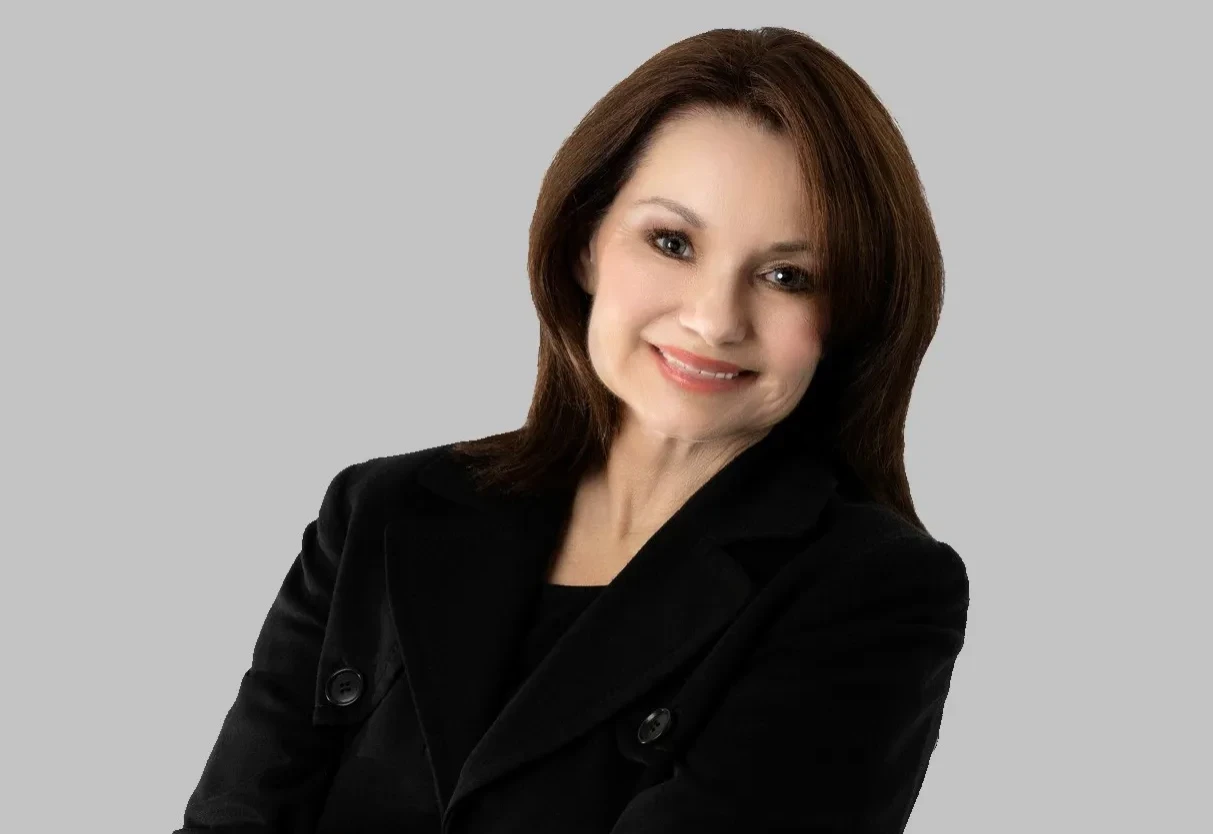
My work is trauma-informed, evidence-based, and grounded in respect for the realities people face.
I draw from Cognitive Behavioral Therapy (CBT), Dialectical Behavior Therapy (DBT), mindfulness practices, and rehabilitation counseling. What that means in practice is this: we focus on understanding what you’re dealing with, how it affects both your mind and body, and what you can do to move forward in a way that’s realistic and sustainable.
Therapy isn’t one-size-fits-all. It’s a process of figuring out what actually works for you, your circumstances, your history, and your goals.My commitment to this work is both professional and personal.
Following a life-changing medical crisis, I experienced multiple surgeries, years of rehabilitation, and a level of loss that required me to rethink who I was and how I wanted to move forward. I understand what it means to have your life divided into “before” and “after.”
That experience doesn’t replace my clinical training, it deepens it.
As both a counselor and rehabilitation specialist, I’ve seen how trauma, illness, addiction, and loss don’t just affect one area of life - they ripple through everything. They change how people think, feel, relate, and function day to day. Real healing requires acknowledging that complexity, not simplifying it.
Clients often describe me as direct, honest, and fully engaged in the work we do together.
I don’t believe in avoiding difficult conversations. Some conversations are hard—because the truth often is. But avoiding it rarely leads to change. Therapy isn’t about pretending everything is okay. It’s about having the space and support to look clearly at what isn’t and figuring out what to do with it.
At the same time, honesty and respect go together. Therapy should be a place where you feel heard, not judged—challenged when needed, but also supported in the process.
What I Believe About People
Most people aren’t stuck because they’re weak.
They’re stuck because what they know—even when it hurts—feels safer than what they don’t. That’s a normal human response. Real change often begins when something different starts to feel possible.
When pain becomes overwhelming, it’s easy to lose sight of what’s still there. I don’t focus on what’s broken. I’m interested in the strengths, resilience, values, and possibilities that often get buried beneath it.
Healing isn’t about becoming someone else. It’s about reconnecting with parts of yourself that may have been set aside while you were getting through something difficult.
What You Can Expect
My role is not to tell you who to be or what decisions to make.
My role is to help you:
Understand what you’re facing
Make sense of your experiences
Identify obstacles that may be in your way
Develop practical ways to move forward
Recognize possibilities that can be hard to see when you’re overwhelmed
Sometimes that involves learning new skills.
Sometimes it means facing difficult truths.
Sometimes it means sitting with uncertainty while you figure out your next step.
All of that is part of the process.